What detection technology does the R290 refrigerant leak sensor use?
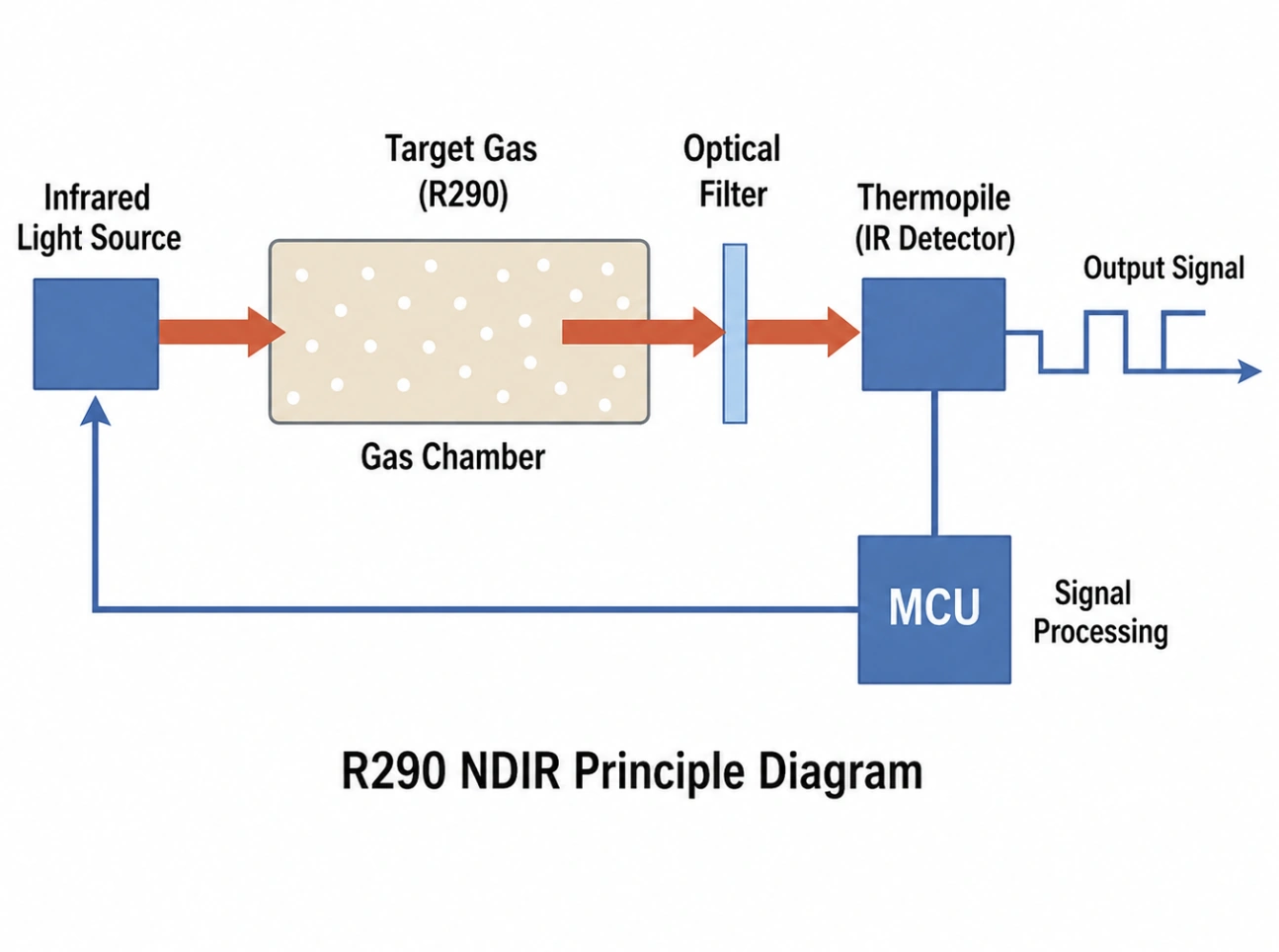
It uses NDIR non-dispersive infrared detection technology, a stable approach for long-term R290 propane refrigerant detection and safety warning applications.
How long is the sensor service life?
The sensor is designed for at least 15 years of service life, making it suitable for HVAC, refrigeration equipment, industrial safety detection, and vehicle thermal management integration.
Does the sensor require manual calibration or routine maintenance?
The sensor is factory-calibrated and supports automatic calibration, reducing on-site maintenance and manual calibration work after deployment.
Can it be used in harsh environments?
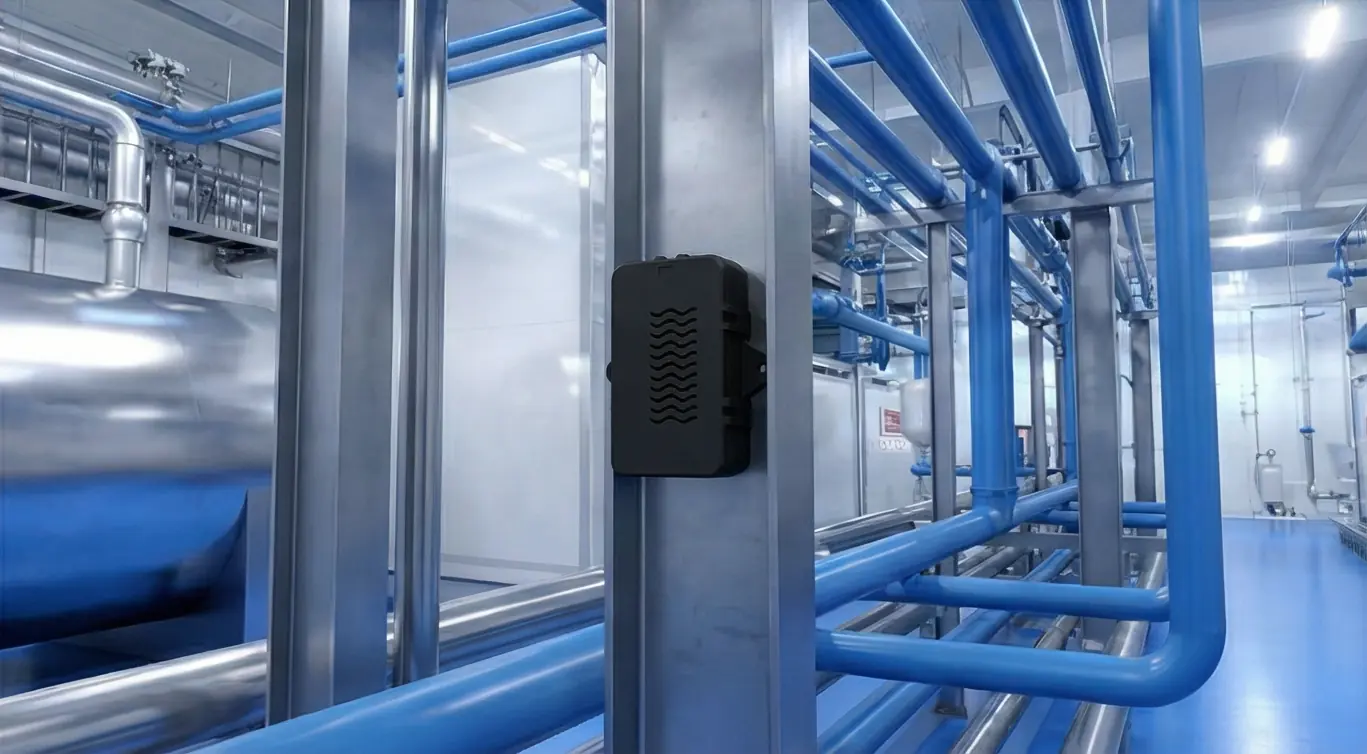
Yes. It supports -40°C to 90°C operation, -40°C to 95°C storage, and 5%-95% RH non-condensing environments, making it suitable for high/low temperature and complex operating conditions.
Which communication interfaces are supported?
RS485 is supported as standard, and LIN 2.1 / CAN customization is available for HVAC controllers, industrial safety systems, vehicle controllers, and host platforms.
What is the R290 measuring range?
The measuring range is 0-100% LFL, covering early low-concentration warning through high-risk leak assessment for A3 flammable refrigerants.
What are the resolution and response speed?
The resolution is 0.1% LFL, with a 4 s measuring interval, ≤10 s warm-up time, and ≤20 s response time (τ25%).
Which applications is this sensor suitable for?
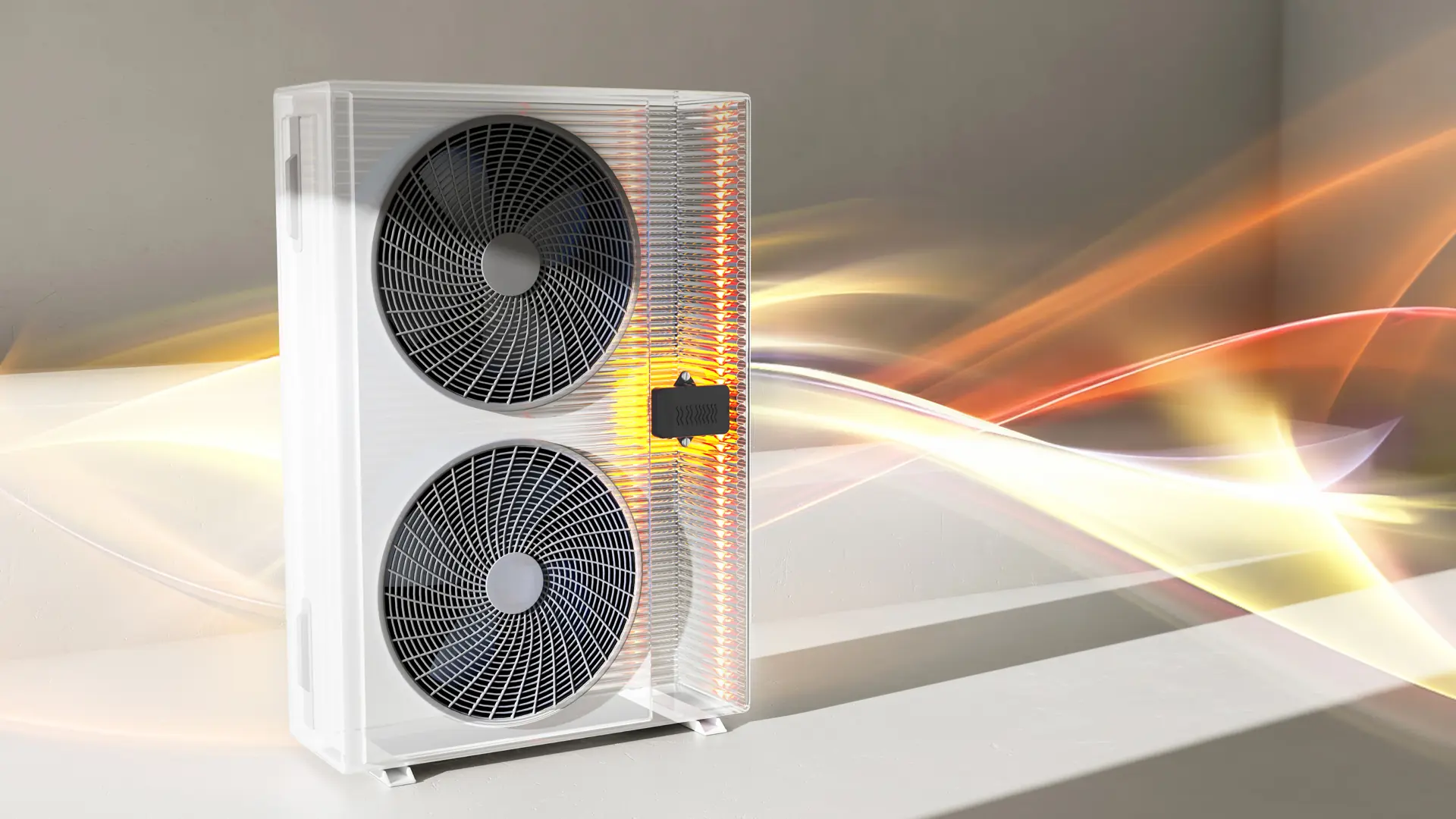
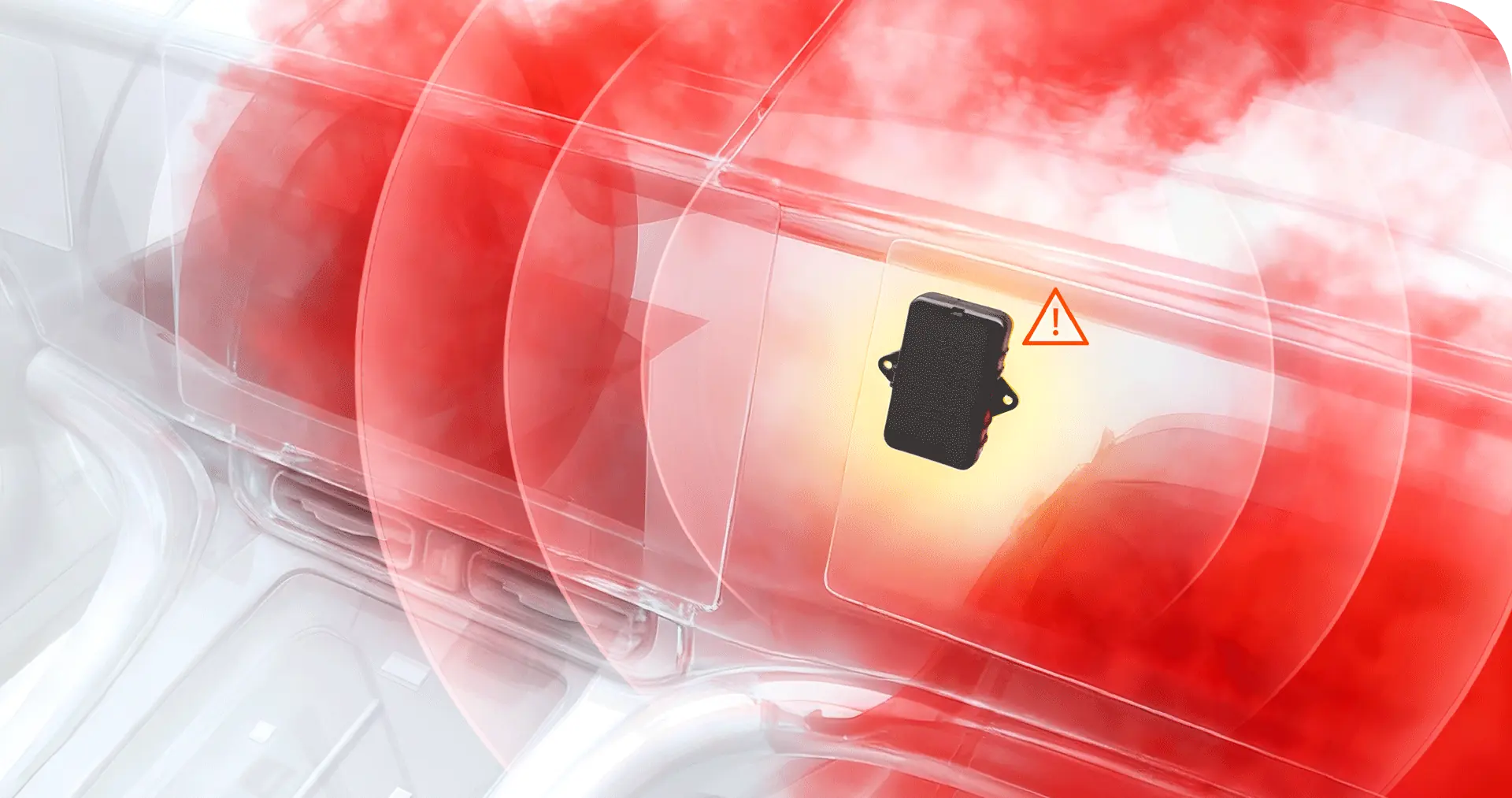
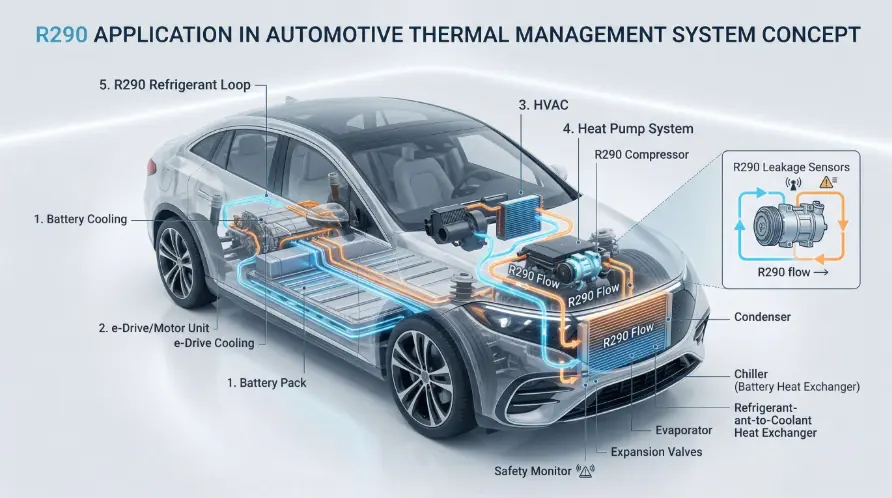
It is suitable for HVAC, heat pumps, commercial refrigeration, cold-chain equipment, industrial safety detection, new energy vehicle thermal management, vehicle heat pump air conditioning, and battery thermal management.
Can it connect to alarm or safety linkage systems?
Yes. The sensor can output R290 concentration signals to control systems for ventilation, alarms, equipment derating, compressor protection, or shutdown protection.
Is project-specific customization available?
Yes. Customization can cover operating voltage, communication interfaces, mechanical integration, protocols, alarm thresholds, output logic, and system linkage requirements.