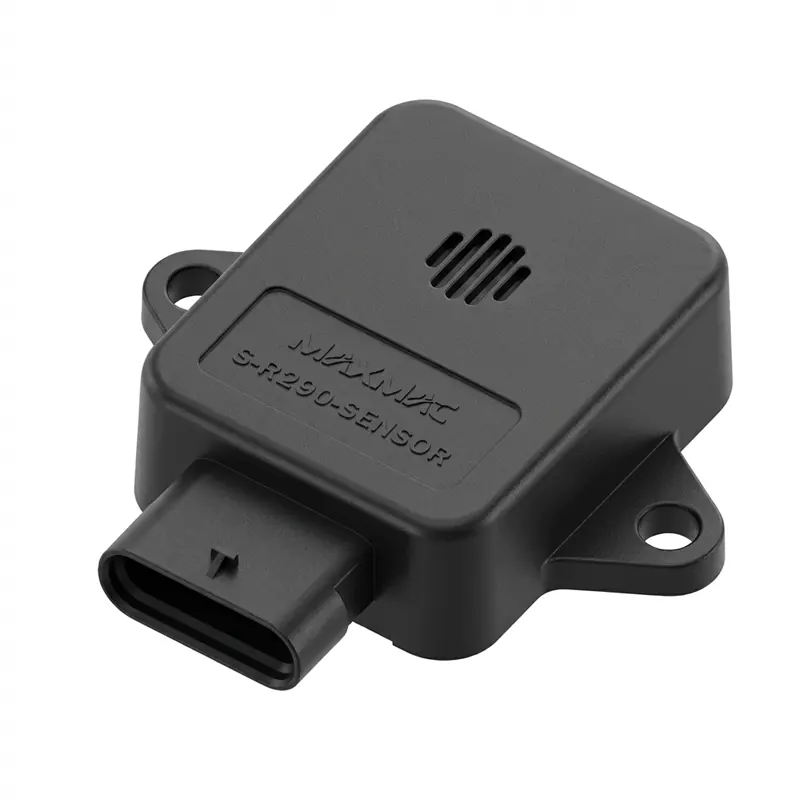
A3 R290 Refrigerant Leak Detection Sensor - R2
For propane refrigerant leak detection in EV heat pump HVAC and thermal management systems.
MAXMAC provides automotive-grade refrigerant leak detection sensors for next-generation vehicle HVAC and EV thermal management systems. The R2 sensor detects A3 R290 propane refrigerant leakage, while the R3 sensor monitors CO2 R744 refrigerant concentration to support cabin safety, heat pump HVAC protection, and refrigerant leak warning strategies.
For propane refrigerant leak detection in EV heat pump HVAC and thermal management systems.
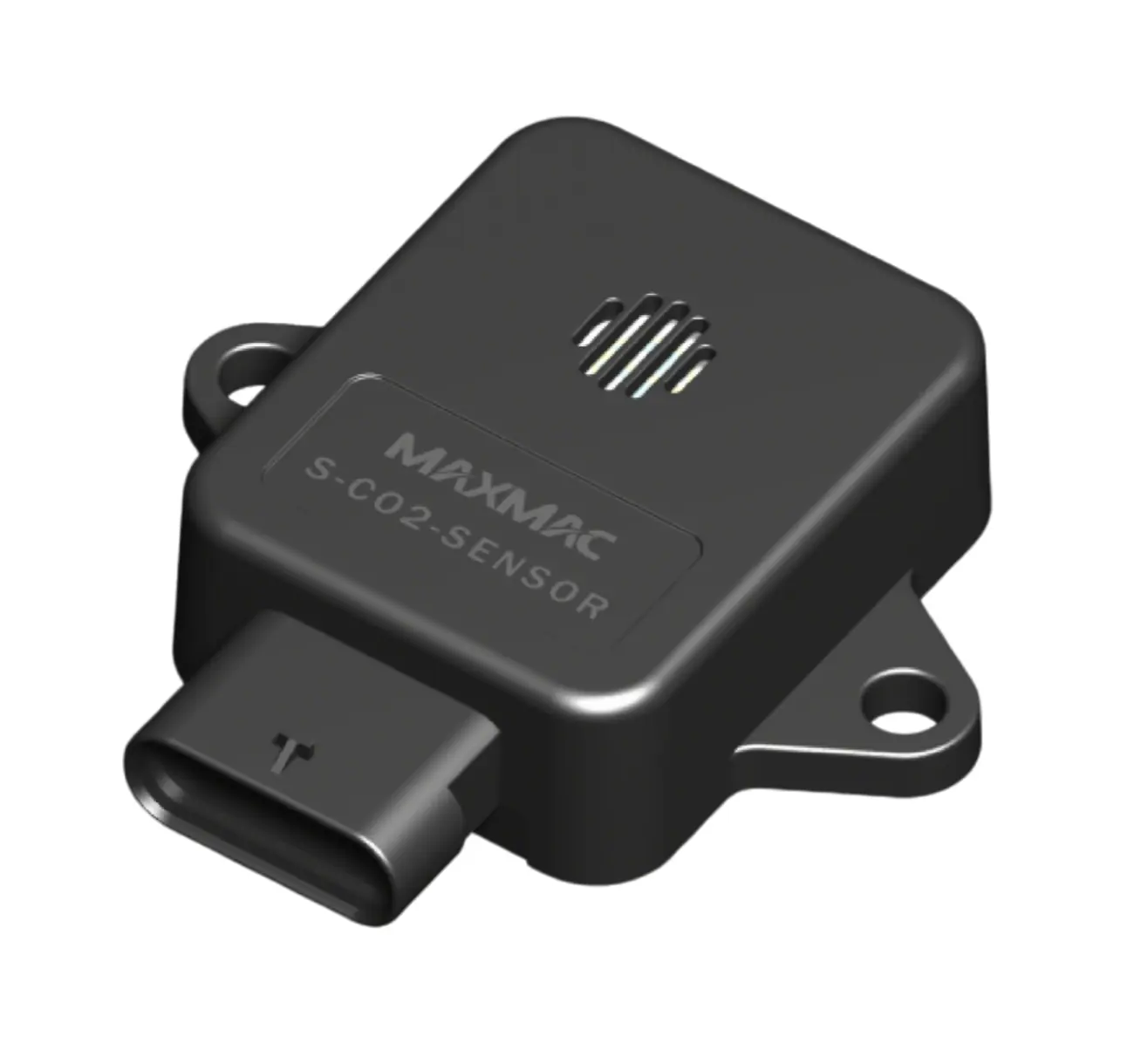
For CO2 refrigerant leakage monitoring in automotive HVAC and cabin safety applications.
As vehicle HVAC and heat pump systems move toward low-GWP refrigerants, both R290 propane and R744 CO2 are becoming important options for next-generation automotive thermal management.
However, each refrigerant brings different safety challenges. R290 is an A3 highly flammable refrigerant, requiring reliable flammable gas leak detection. R744 CO2 is non-flammable, but leakage in enclosed cabin or service environments may cause excessive CO2 concentration and passenger safety concerns.
Automotive refrigerant leak detection sensors help OEMs and Tier 1 suppliers monitor refrigerant safety in real time and support warning, ventilation, shutdown, and diagnostic strategies.
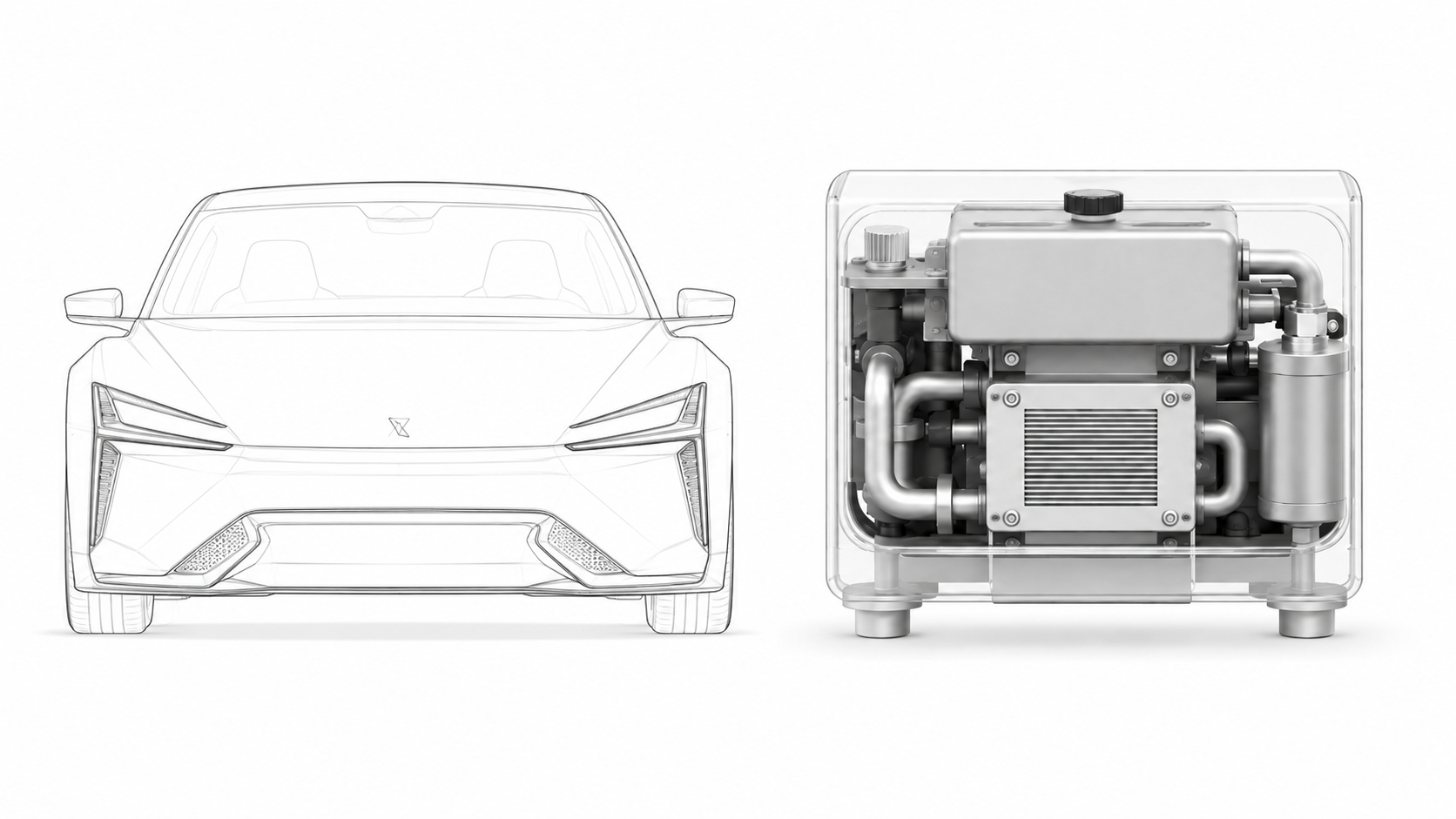
R290 requires flammable gas detection. R744 requires CO2 concentration monitoring.
| Refrigerant | MAXMAC Product | Main Safety Risk | Sensor Output Focus | Typical Vehicle Application |
|---|---|---|---|---|
| R290 / Propane | R2 | A3 flammable refrigerant leakage | %LFL | EV heat pump HVAC, cabin safety, thermal management |
| R744 / CO2 | R3 | Excessive CO2 concentration in enclosed spaces | ppm | CO2 heat pump HVAC, cabin leak monitoring, passenger safety |
MAXMAC R2 is an automotive-grade A3 R290 refrigerant leak detection sensor designed for EV heat pump HVAC and thermal management systems. Based on NDIR technology, it measures R290 concentration from 0-100% LFL with 0.1% LFL resolution and fast response.
MAXMAC R3 is an automotive-grade CO2 R744 refrigerant leak detection sensor designed for vehicle HVAC systems using carbon dioxide refrigerant. It monitors CO2 concentration in real time to support cabin safety, refrigerant leak warning, and HVAC system protection.
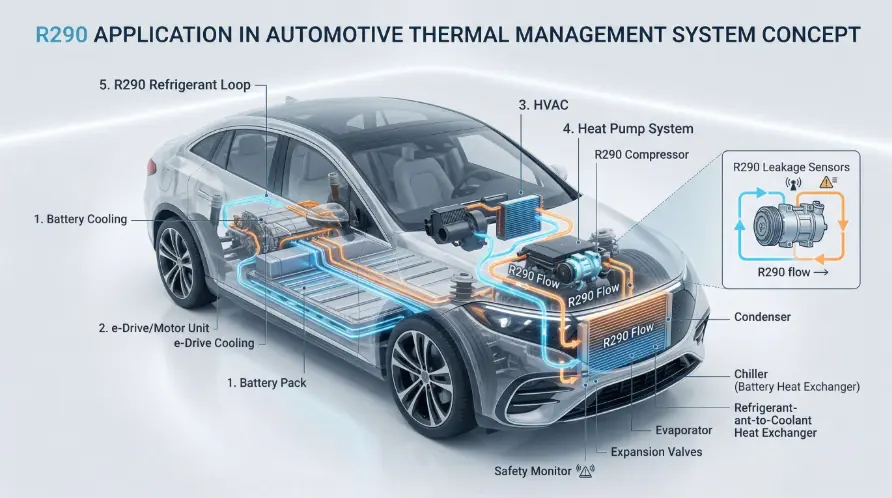
R290 and R744 refrigerant sensors support real-time leak monitoring in electric vehicle heat pump HVAC systems.
R290 sensors help detect flammable propane leakage, while R744 sensors monitor CO2 concentration increase in enclosed cabin spaces.
Sensors can be integrated into vehicle thermal management platforms to support refrigerant safety monitoring and system diagnostics.
Suitable for buses, trucks, vans, and special vehicles using low-GWP refrigerant HVAC systems.
Sensor data can be connected to HVAC ECUs or thermal management controllers for warning, ventilation, compressor shutdown, or fault diagnosis.
Supports refrigerant system development, validation, safety testing, and engineering evaluation for OEM and Tier 1 projects.
Both MAXMAC R2 and R3 sensors are designed for integration into automotive HVAC and thermal management control systems. Standard RS485 output and customizable LIN 2.1 or CAN interfaces support OEM and Tier 1 project requirements.
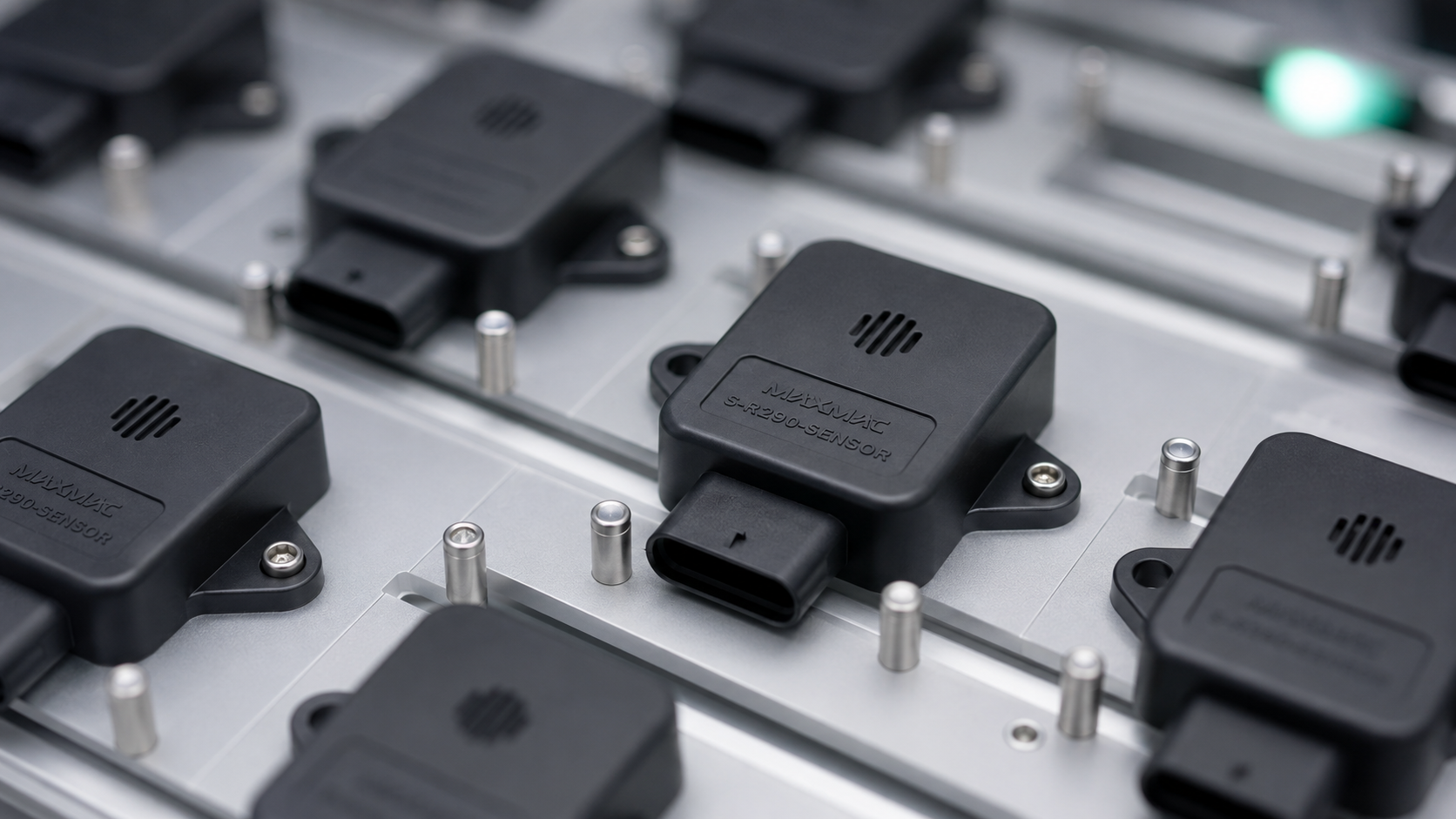
Available for engineering validation, test platforms, and customized control architectures.
Suitable for automotive HVAC modules and distributed sensor networks.
Supports integration with vehicle thermal management controllers and system-level diagnostics.
Designed for compact embedded control systems and vehicle-mounted electronics.
72 mm x 71 mm x 19 mm housing with approx. 25 g weight for HVAC module integration.

Designed for vehicle HVAC and thermal management environments with demanding temperature, humidity, vibration, and integration requirements.
≤20s response time helps support early warning and system protection strategies.
Non-dispersive infrared technology supports reliable refrigerant concentration monitoring and long-term stability.
R2 provides ≥15 years service life, and R3 provides >15 years life expectancy for long-term vehicle platform operation.
RS485 standard interface with customizable LIN 2.1 and CAN options for automotive integration.
Dedicated sensor solutions for A3 R290 propane and CO2 R744 refrigerant leak detection applications.
MAXMAC develops gas and air quality sensors for automotive HVAC, cabin air quality, and thermal management applications.
Voltage, interface, protocol, alarm threshold, housing, and output logic can be customized according to project requirements.
Designed for long lifecycle vehicle platforms with technical support for integration, validation, and mass production.
MAXMAC provides R290 and R744 refrigerant leak detection sensors for next-generation vehicle HVAC systems.
R290 leak detection focuses on flammable propane gas safety and is usually measured in %LFL. R744 CO2 leak detection focuses on CO2 concentration monitoring and is usually measured in ppm.
No. R290 and R744 require different gas measurement targets and calibration methods. MAXMAC provides R2 for R290 propane refrigerant and R3 for CO2 R744 refrigerant.
MAXMAC R2 is designed for A3 R290 propane refrigerant leak detection with a 0-100% LFL measurement range.
MAXMAC R3 is designed for CO2 R744 refrigerant leak detection with a standard 400-10,000 ppm range and customizable range up to 50,000 ppm.
Yes. Both R2 and R3 are designed for automotive refrigerant leak detection applications and support RS485 with customizable LIN 2.1 or CAN interfaces.
R290 has low environmental impact and good thermal performance, but it is an A3 highly flammable refrigerant. In a vehicle, leaked propane may accumulate in the cabin, HVAC duct, or enclosed parking environment. A dedicated leak detection sensor helps support early warning and system protection.
LFL stands for Lower Flammability Limit. A 0-100% LFL range means the sensor measures R290 concentration as a percentage of the lower flammability limit, which is commonly used for flammable gas safety monitoring.
MAXMAC R2 and R3 support RS485 and can be customized with LIN 2.1 or CAN interfaces for automotive control system integration.
Typical installation areas include the HVAC module, air duct, refrigerant circuit monitoring area, thermal management system, cabin safety module, or other locations defined by the OEM safety strategy.
The R2 sensor is designed for ≥15 years service life, and the R3 sensor provides >15 years life expectancy, supporting long-term vehicle platform operation and reduced maintenance requirements.
Contact MAXMAC to discuss refrigerant leak detection requirements for electric vehicle heat pump HVAC, cabin safety, and thermal management systems. Our engineering team can support sensor selection, interface customization, and project integration.